Starter Tutorials Blog
Tutorials and articles related to programming, computer science, technology and others.
Subscribe to Startertutorials.com's YouTube channel for different tutorial and lecture videos.
Home » Computer Science » DBMS
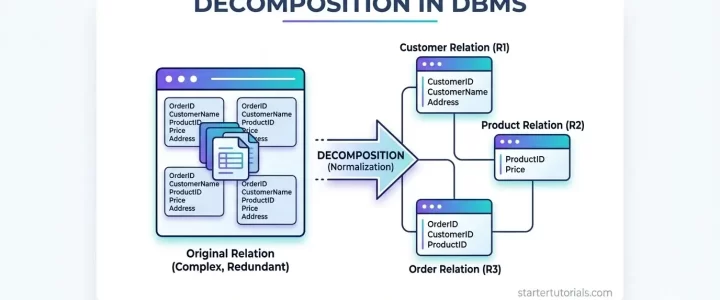
Decomposition in DBMS

Guide to Decomposition in DBMS with Examples

Suryateja Pericherla Categories: DBMS. No Comments on Guide to Decomposition in DBMS with Examples

In database design, decomposition in DBMS is the essential process of splitting a bloated, messy table into smaller, well-structured ones to keep your data organized and error-free. When a single table attempts to store every detail about your application, it leads to massive redundancy, wasted storage, and severe update or deletion errors.   Applying table […]
Read the rest of this entry »
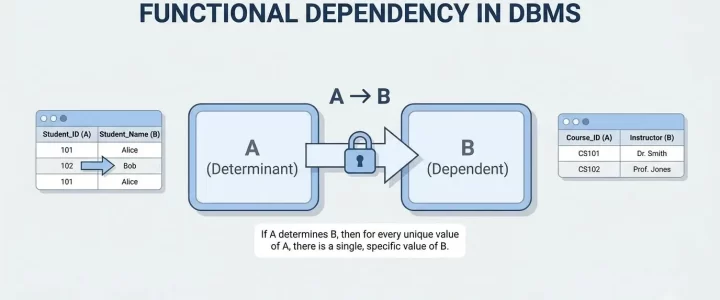
Functional Dependency in DBMS

Functional Dependency in DBMS Explained with Examples

Suryateja Pericherla Categories: DBMS. No Comments on Functional Dependency in DBMS Explained with Examples

Understanding functional dependency in DBMS is essential for designing efficient, error-free relational databases. In simple terms, a functional dependency describes a clear cause-and-effect relationship between database columns (attributes), where knowing the value in one column allows you to reliably determine the exact value in another.   Whether you refer to it as attribute dependency, column […]

Read the rest of this entry »
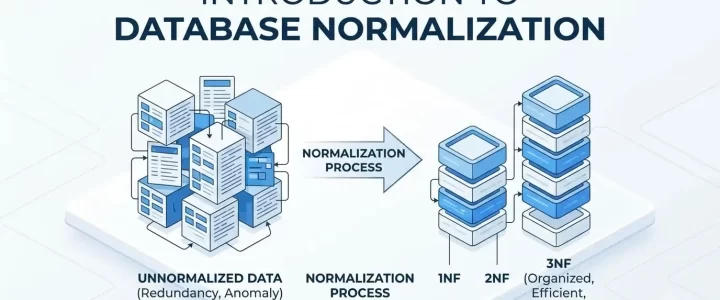
Introduction to Database Normalization

Introduction to Database Normalization & Normal Forms Explained

Suryateja Pericherla Categories: DBMS. No Comments on Introduction to Database Normalization & Normal Forms Explained

Database normalization is the cornerstone of designing clean, reliable, and efficient relational databases. If you are new to backend development or database management, getting a solid introduction to database normalization is essential for understanding how raw information is structured into organized, high-performing systems.   At its core, normalizing a database involves organizing data models, eliminating […]

Read the rest of this entry »
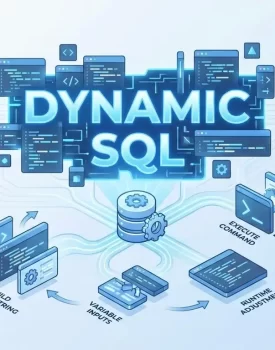
Dynamic SQL

Dynamic SQL: Java Examples and SQL Comparisons

Suryateja Pericherla Categories: DBMS. No Comments on Dynamic SQL: Java Examples and SQL Comparisons

Mastering Dynamic SQL is essential when you need database queries that adapt on the fly based on user input or runtime conditions. Unlike traditional static queries, constructing SQL dynamically allows your applications to build flexible, highly responsive database commands.   In this tutorial, you will learn what dynamic SQL is, explore real-world use cases, see […]

Read the rest of this entry »
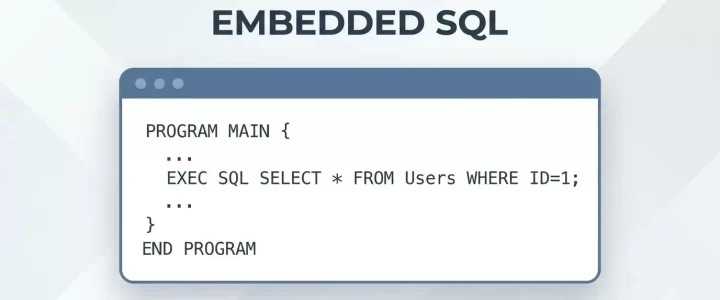
Embedded SQL

Embedded SQL Tutorial: Concept, Use Cases, and Java Examples

Suryateja Pericherla Categories: DBMS. No Comments on Embedded SQL Tutorial: Concept, Use Cases, and Java Examples

Embedded SQL is a fundamental technique in software engineering that integrates database queries directly into traditional programming languages. Whether you are using static SQL statements embedded in source code or dynamic database APIs like JDBC, embedded database code allows applications to query, retrieve, and modify relational data in real time.   Mastering database embedding empowers […]

Read the rest of this entry »
Triggers in SQL

Triggers in SQL: Examples, Types, and Syntax

Suryateja Pericherla Categories: DBMS. No Comments on Triggers in SQL: Examples, Types, and Syntax

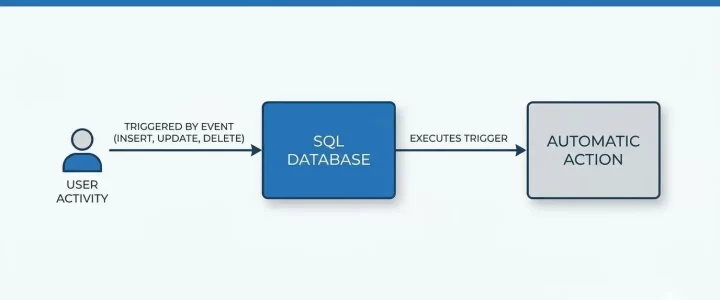
Triggers in SQL are automated database objects that executes specific code automatically whenever a designated event occurs on a table or database. Understanding SQL triggers, also referred to as database triggers, event triggers, or table triggers is essential for automating data validation, enforcing integrity rules, and maintaining audit logs.   By leveraging these automated SQL […]

Read the rest of this entry »
Complex Integrity Constraints in SQL

Complex Integrity Constraints in SQL Explained with Real Examples

Suryateja Pericherla Categories: DBMS. No Comments on Complex Integrity Constraints in SQL Explained with Real Examples

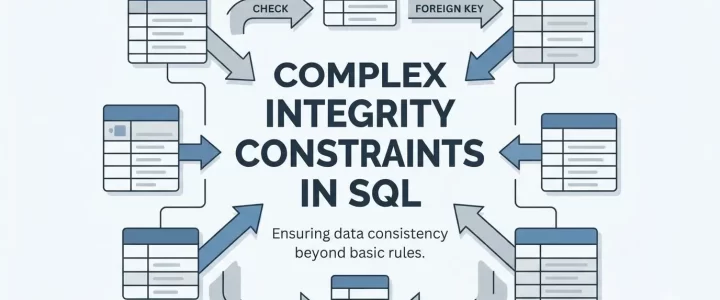
Complex Integrity Constraints in SQL are advanced rules that database systems use to keep data clean, accurate, and reliable when standard checks fall short. While simple constraints protect individual columns, like ensuring an age is never negative, complex integrity constraints enforce intricate business rules that span across multiple rows, separate tables, or dynamic calculations.   […]

Read the rest of this entry »
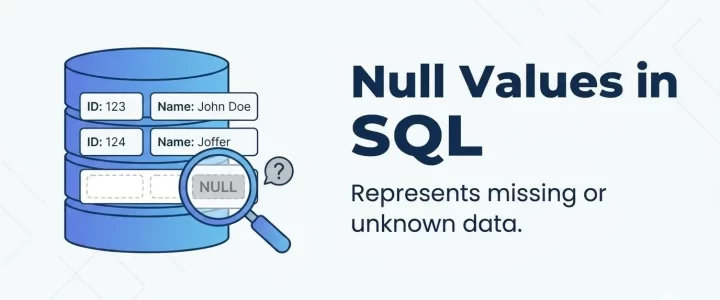
Null Values in SQL

Null Values in SQL Explained: Practical Database Guide

Suryateja Pericherla Categories: DBMS. No Comments on Null Values in SQL Explained: Practical Database Guide

Null values in SQL play a crucial role in relational databases by acting as a marker for missing, unknown, or unrecorded data. Understanding what a NULL value in SQL is and how it differs from a blank space or zero is essential for writing accurate queries and maintaining data integrity.   In database management, learning […]

Read the rest of this entry »
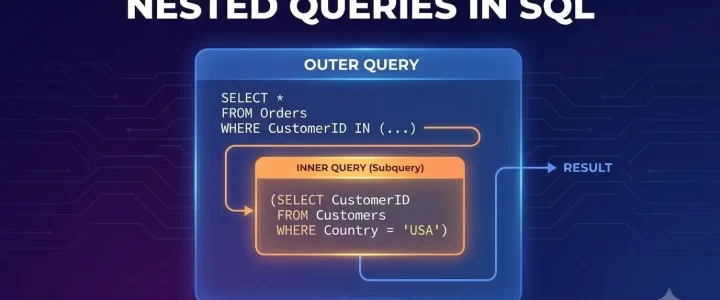
Nested Queries in SQL

Nested Queries in SQL Explained: Syntax, Types & Examples

Suryateja Pericherla Categories: DBMS. No Comments on Nested Queries in SQL Explained: Syntax, Types & Examples

Mastering nested queries in SQL is one of the most effective ways to retrieve complex, multi-layered data using a single database command. Also commonly referred to as SQL subqueries, inner queries, or embedded queries, a nested query allows you to place one SELECT statement inside another to solve multi-step problems dynamically.   Whether you need […]

Read the rest of this entry »
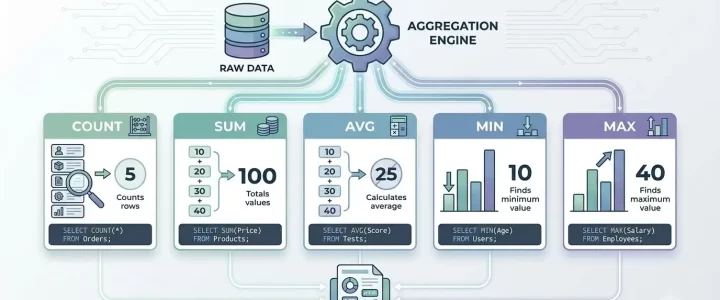
Aggregate Operators in SQL

Aggregate Operators in SQL: Quick Reference & Syntax Guide

Suryateja Pericherla Categories: DBMS. No Comments on Aggregate Operators in SQL: Quick Reference & Syntax Guide

Aggregate operators in SQL are foundational tools for database management and data analysis. Whether you are running quick summary queries or building complex analytical reports, understanding how SQL aggregate functions work is essential for calculating totals, averages, ranges, and record counts across large datasets efficiently.   What are aggregate operators in SQL? In SQL, aggregate […]

Read the rest of this entry »
Facebook
Twitter
Pinterest
Youtube
Instagram
Blogarama - Blog Directory